Most foreigners land in Colombia carrying one of two stories in their head. Either dating in Colombia is impossibly easy, or everyone is after a visa and a wallet. Both are wrong, and leading with either one is the fastest way to have a bad time. Colombians can spot the assumption in the first ten minutes, and it insults the person across the table.
The truth is more interesting. It shifts with which city you’re in, how old the people you’re meeting are, and whether you treat this as a shortcut or as the real thing it is anywhere else. This is a plain guide to how it works, the honest parts included.
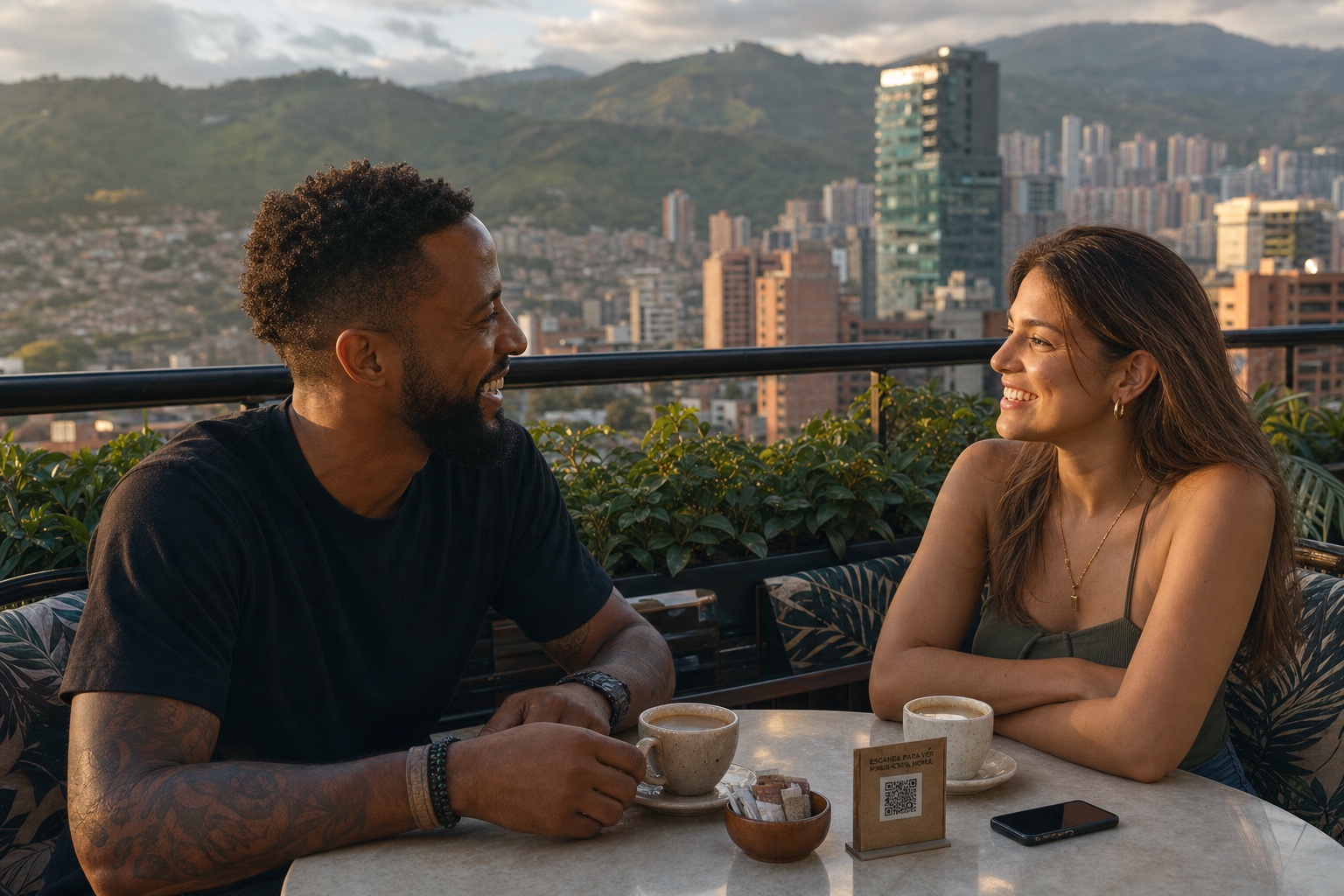
The myth that ruins it before you start
The stereotype foreigners arrive with, that Colombian women are either effortless or transactional, is a filter that keeps out exactly the people worth meeting. Educated, established Colombians are proud, and many are quietly tired of foreign men who show up expecting either a trophy or a bargain. Show up with that energy and you’ll get the version of Colombia that matches it: the small slice of the scene that does run on money, mostly in the tourist zones. For a closer look at what she’s actually like and how to read genuine interest, see our guide to dating a Colombian woman.
Class is real here and worth understanding without judging it. Colombians talk about “estrato,” a government number from 1 to 6 printed on every utility bill that marks a neighborhood’s income band. It shapes how people see each other, what they can afford, and sometimes how cautious they are about a stranger’s intentions. A woman from estrato 5 in Bogotá isn’t impressed that you can buy dinner. She can buy her own. Read the room before you read the cliché.
Dating in Colombia changes by region: Bogotá, Medellín, and the coast
Colombia is not one dating culture, and this trips people up more than anything else. The country splits into regional personalities that locals name and joke about constantly.
The deeper rules around the parche, becoming novios, and Sunday family lunch are in our Colombian dating culture guide. This section stays with the regional contrast.
In Bogotá, people are “rolos” or “cachacos,” and the reputation is reserved, a little formal, and slower to warm up. First conversations can feel polite to the point of cool. Many still use “usted,” the formal “you,” even with people their own age, which can read as distance to a foreigner but is just how the city talks. Give it time. Once a rolo decides they like you, the reserve drops fast.
Medellín’s people are “paisas,” warm, chatty, family-proud, and famously image-conscious. Presentation matters here more than almost anywhere in the country, so a paisa date usually means both of you showing up put together. It’s also the city most saturated with foreigners, which cuts both ways: locals are used to travelers, and also a little jaded by the ones who treat the place like a theme park. Our Medellín dating guide turns that city context into specific first meetings, date ideas, transport choices, and safety steps.
On the Caribbean coast, in Cartagena, Barranquilla, and Santa Marta, people are “costeños,” and the whole tempo changes. More forward, more physical in conversation, more likely to turn a Tuesday into a reason to dance. Time is loose here in a way that frustrates outsiders; a plan for 8 often means 9. It isn’t rudeness, it’s the coast.
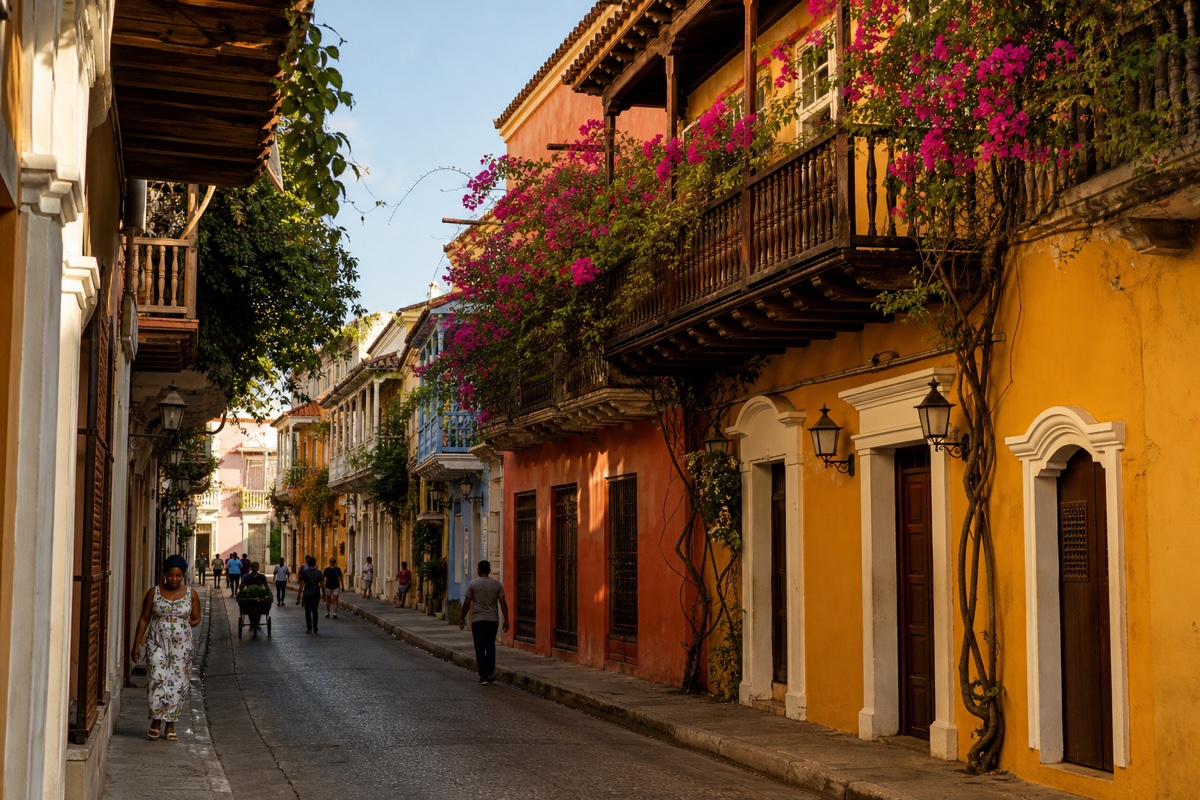
How Colombians actually meet now
Apps run the show in the cities, same as most of the world. Tinder and Bumble are everywhere among urban Colombians under 35, and being a foreigner does get you swipes, for better and worse. The better: genuine curiosity about where you’re from. The worse: you’ll also match with people practicing English or hunting the tourist-provider scene, so read profiles and early messages for which one you’ve got. For a fuller comparison of dating apps in Colombia, including what works before and after you land, start there.
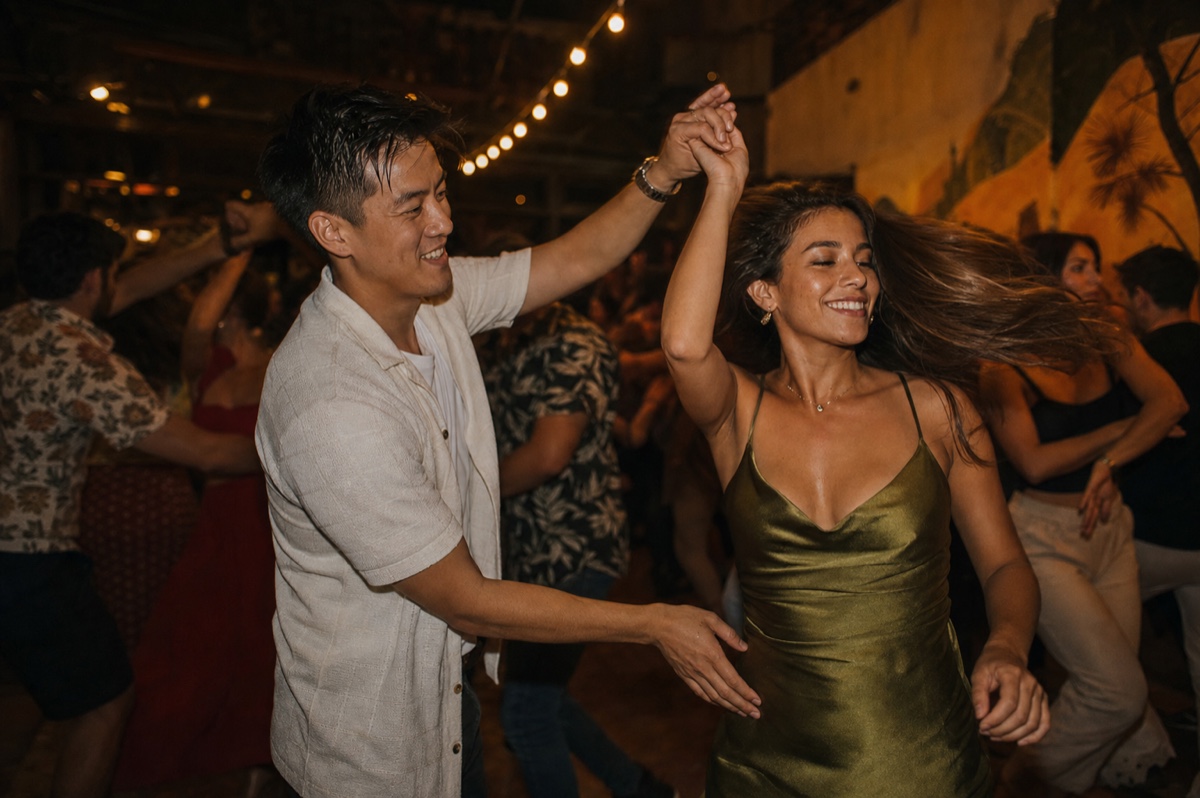
Offline still matters more here than in a lot of countries. Salsa and bachata nights are a real way people meet, especially in Cali, where dancing is closer to a native language than a hobby. Friend-of-friend introductions carry weight, and a Colombian who likes you will fold you into their group of friends fast, which is both the vetting process and the invitation.
If you want to line dates up before you fly in, that’s where LatinFlare earns its place. You can set your active location to Bogotá, Medellín, or Cartagena before you land using Globalist, browse who’s actually online with Explore, and message without a paywall, so you arrive with real conversations going instead of a cold app and a week to burn.
Casual, serious, or the gray zone in between
Colombia dates across the full range, and it’s a mistake to assume everyone here is either hooking up or hunting marriage. Both exist, and so does a large middle.
Casual is common and mostly discreet, especially for women, because a double standard is still alive: men who play the field get a shrug, women who do it get talked about. You’ll hear “amigovios,” a blend of “amigos” and “novios,” meaning friends with benefits, and “amigos con derechos,” friends with privileges, which is the same idea. These arrangements are real but usually kept quiet, so don’t expect a casual partner to broadcast it, and don’t out them by doing so yourself.
Machismo hasn’t vanished, but it’s uneven and generational. Younger, city-raised Colombians are far more egalitarian than the stereotype, and plenty of Colombian women will tell you flatly that they’re done with jealous, controlling men. Possessiveness that might have been normalized a generation ago now gets someone dumped.
When it turns serious, it can turn quickly. “Novio” and “novia,” boyfriend and girlfriend, are labels people use early and mean, and a relationship can go from a few dates to meeting friends and family in weeks, not months. If you’re only there for a casual stretch, be honest about it up front rather than letting someone assume otherwise.
Who pays, and what it actually signals
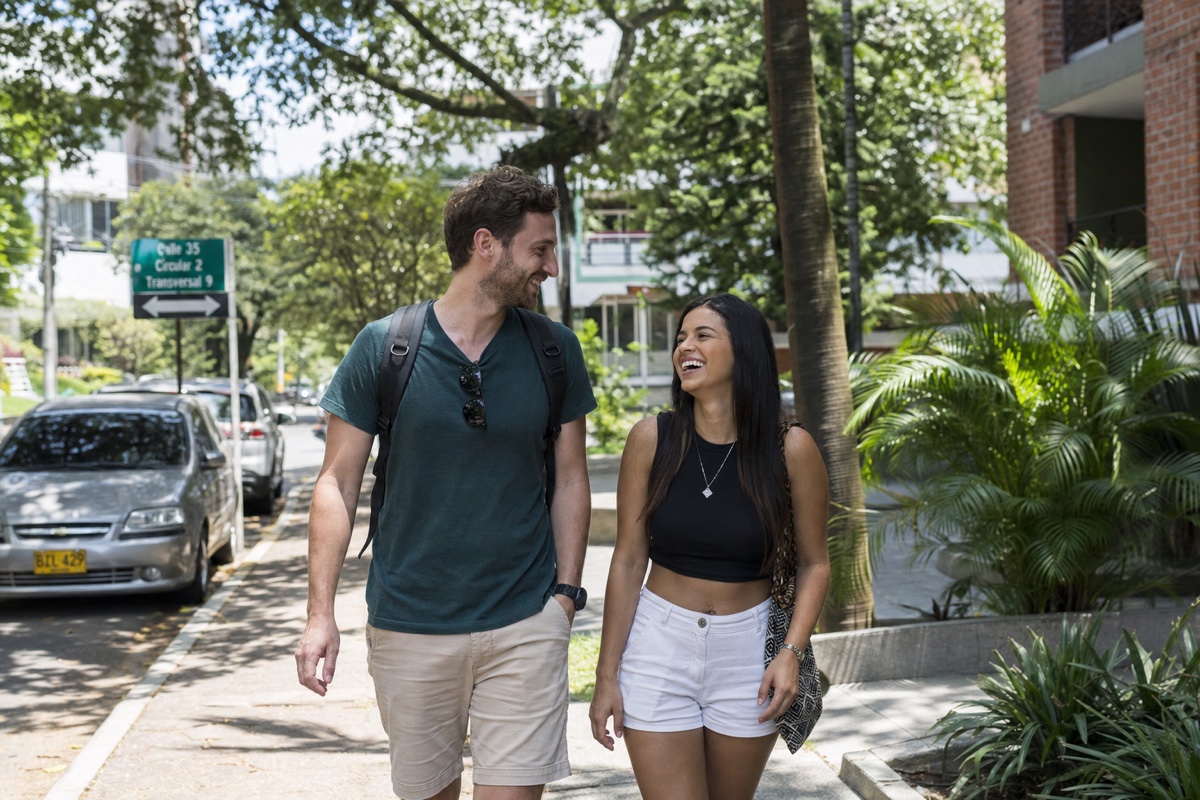
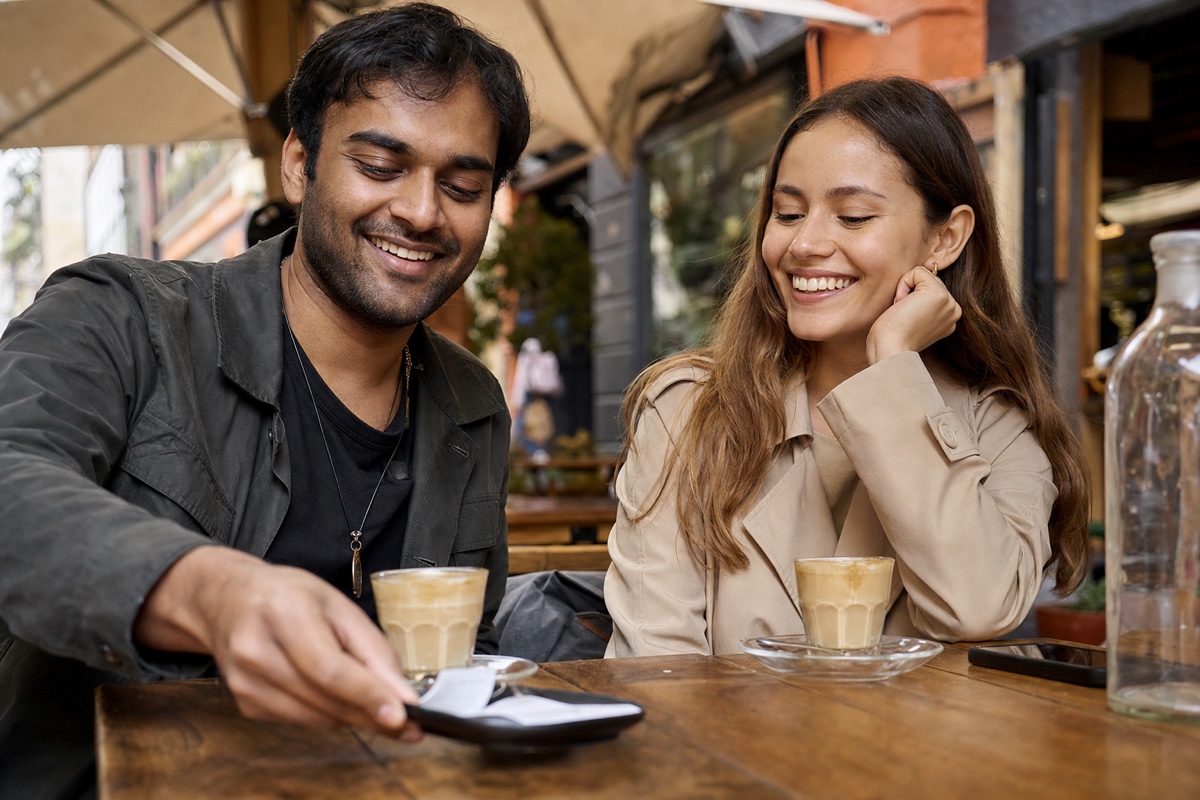
The old norm is that the man invites and the man pays, and “yo invito,” meaning “my treat,” still carries weight, especially on a first date and especially outside the big-city professional crowd. Offering to pay reads as courtesy, not as buying anything.
But treat it as a gesture, not a transaction. Among younger, professional Colombians in Bogotá and Medellín, splitting is increasingly normal, and a woman reaching for the bill isn’t a test, she’s just paying. The move that lands is offering warmly and then reading the response, rather than either performing generosity or making a show of going Dutch. What money should never look like here is a scoreboard. The second a date starts feeling like a price is attached, both of you have wandered into the tourist-trap version of the country, and it’s worth walking away from.
For scale: a “tinto,” the small black coffee sold from carts everywhere, runs around 2,000 to 3,000 pesos, while a cappuccino in an El Poblado café is closer to 9,000 to 12,000. A relaxed dinner for two in a good neighborhood spot, not a tourist strip, lands somewhere around 90,000 to 140,000 pesos. None of that should bankrupt a date, which is exactly why leaning on money as your main move falls flat.
Family, faith, and the pace of getting serious
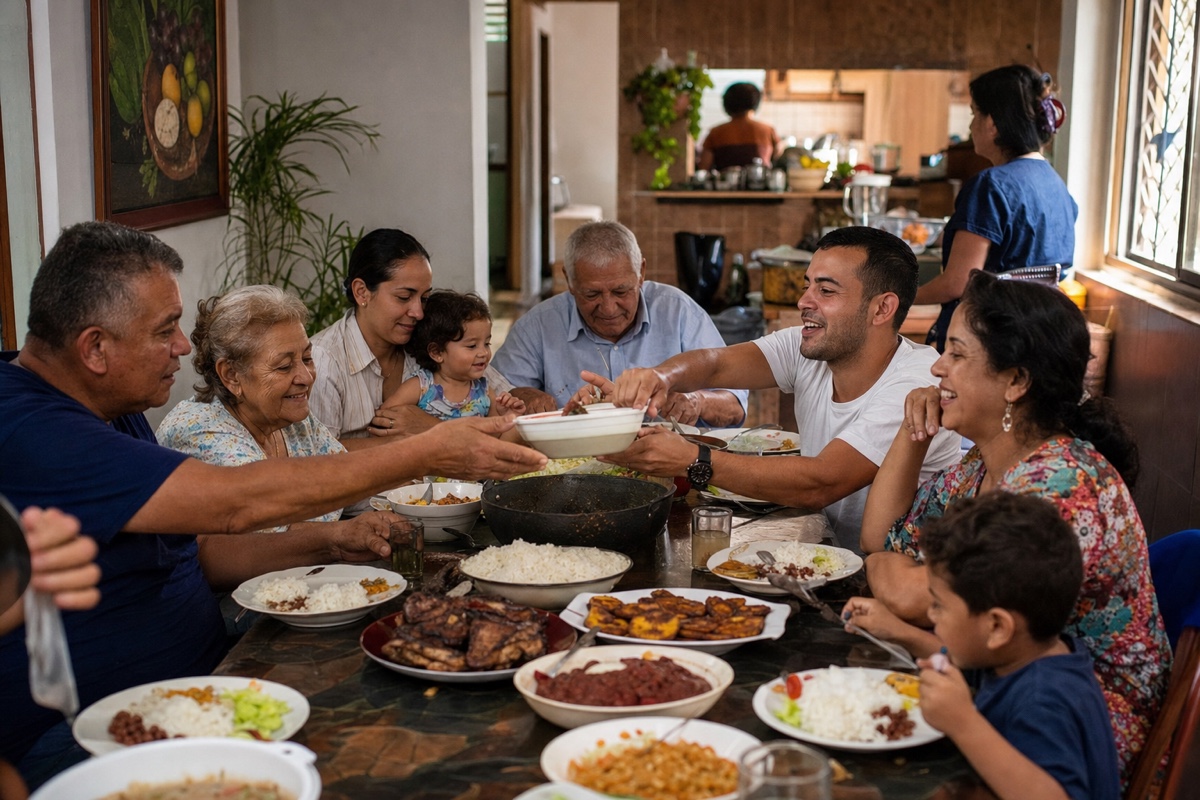
Family is the center of gravity in Colombian life, and it shows up in dating faster than many foreigners expect. Colombia is still culturally Catholic, though among young urbanites the church’s grip on daily life has loosened a lot; what remains is less about Mass every Sunday and more about the family being the unit that matters.
Meeting the parents is a real milestone, not a casual drop-by, and Sunday lunch, “el almuerzo,” is often where it happens: a long, loud, multigenerational meal where you’re being warmly fed and quietly assessed at the same time. Come hungry, bring something small, and expect to answer real questions. If a Colombian is introducing you to their family, they’re telling you this is going somewhere.
The flip side is pace. Because family and labels come early, a relationship here can feel serious well before a foreigner used to months of ambiguity is ready for it. That’s not a trap, it’s just a different clock. Say where you actually stand.
Dating safely, without the paranoia
This is the part a friend tells you and a brochure skips. The overwhelming majority of dates in Colombia are exactly as safe as dates anywhere, but there is a specific, documented risk aimed at foreigners using dating apps, mostly in Medellín, and pretending otherwise would be dishonest.
Beyond that, the ordinary advice applies with a little extra weight. Be a bit skeptical of a match who gets intensely affectionate very fast, especially if a money problem surfaces soon after; classic romance scams run here like everywhere. In Medellín, the streets around Parque Lleras in El Poblado are where foreigners get specifically targeted, so it’s a fine place to grab a drink and a poor place to be drunk and trusting with someone you met an hour ago. None of this should scare you off. It should just make you the person who meets for a midday coffee first.
Date in Colombia the way you’d want someone to date your friend: curious about who they actually are, honest about what you’re looking for, and unbothered by the clichés on both sides. Do that, and the country is one of the warmest places on earth to meet someone.