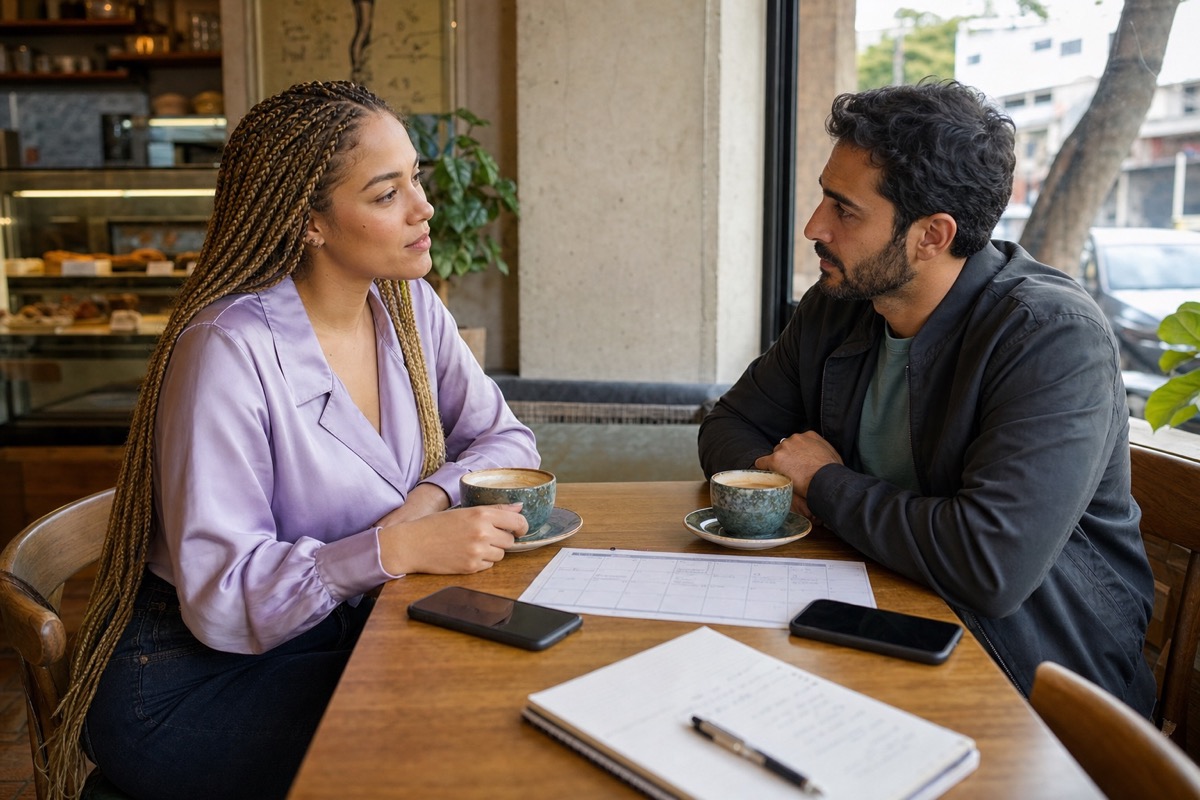
Venezuelan dating culture puts plenty of warmth into ordinary social life. Friends greet with a cheek kiss, people stand close during conversation, and a new person can feel included before anyone has decided that the connection is romantic. A foreign visitor who treats every affectionate gesture as interest will misread the room.
Choices tell you more. Does this person make time for you outside the group? Do they introduce you to family as a date or as a friend? Have both of you said whether the relationship is casual, exclusive, or moving toward a shared future? Those answers carry more weight than a compliment or a polished first impression.
Use our wider guide to dating in Venezuela for public first plans, travel conditions, money boundaries, and family ties across countries. The sections below cover the culture inside the date: how people show attention, when family gains a role, and why a spoken agreement matters.

Venezuelan dating culture is more varied than the passionate stereotype
The familiar outside image combines beauty-pageant polish, Caribbean warmth, and dramatic romance into one person. That picture leaves little room for the quiet Venezuelan who dislikes public affection, the divorced parent protecting a limited week, or the young professional who wants several casual dates before choosing a partner.
Treat personal presentation as effort, not an invitation. Many Venezuelans dress with care for dinner, a birthday, or a family gathering. Match that effort by arriving clean, wearing something suited to the venue, and remembering the plan. Do not turn somebody’s clothes or grooming into a claim about their sexual interest.
The same rule applies to gender scripts. A man may offer to plan and pay. A woman may appreciate the courtesy, prefer to split, or choose the place herself. Make one clear offer and accept the answer. Courtesy stops being courteous when it becomes control, and a paid bill creates no claim on affection.
Venezuelans bring different regional, class, religious, and family experiences to a date. Caracas social life cannot stand in for Maracaibo, Mérida, Valencia, or a smaller town. Ask the person in front of you how they date. Use common patterns as questions, not as a personality test.
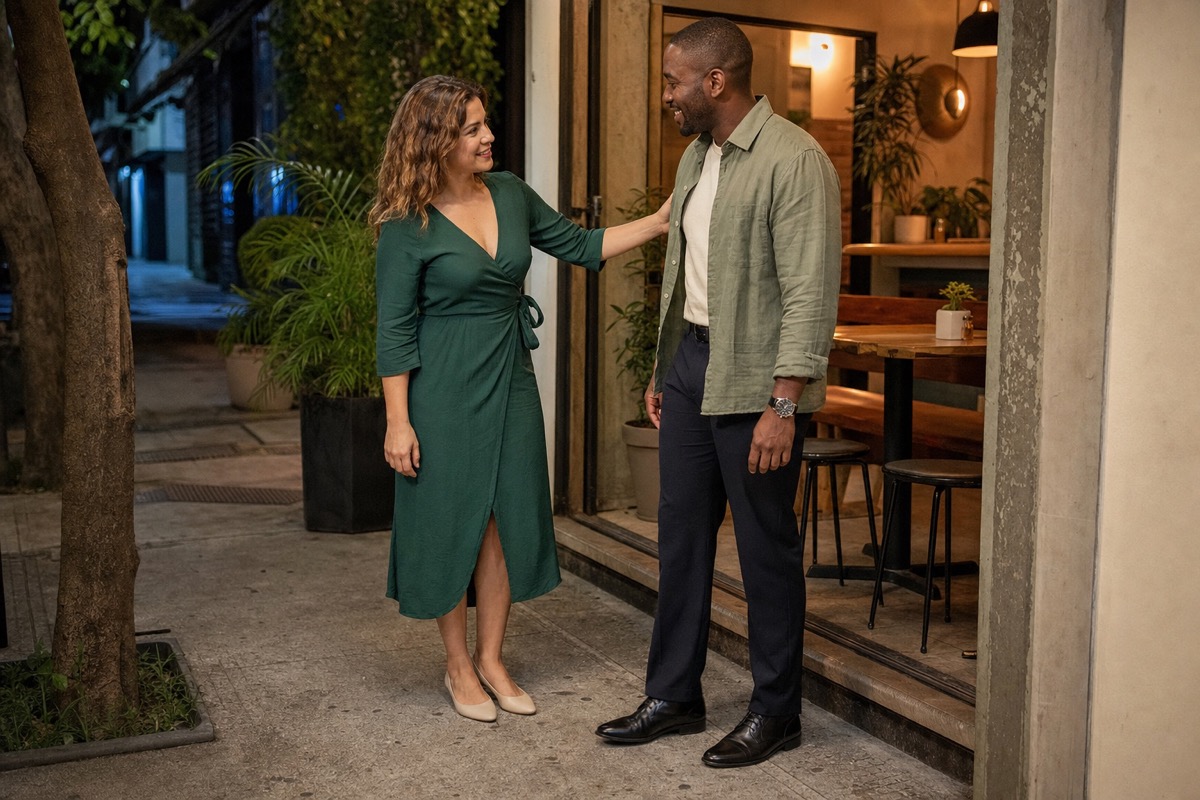
Voice notes and group talk make the first date easier to read
Venezuelan conversation can feel quick and expressive to a visitor from a more reserved culture. The Defense Language Institute’s cultural orientation describes Venezuelan society as friendly, informal, and direct in conversation. It also notes that acquaintances may greet with a light cheek kiss and stand closer than many Americans expect. People use those habits to put each other at ease. A private promise takes more.
Let the group see how you treat people
Friends often provide the first social setting, even when an app made the introduction. A birthday, café table, or small house gathering gives both people a low-pressure look at the other person’s manners. Join the full conversation. Learn names, include the quieter person, and resist pulling your date into a private corner as soon as you arrive.
Your match will notice whether you listen when nobody is trying to impress you. They will also see how you handle jokes you miss, a change in the plan, or a friend who wants time with them. They will remember that behavior longer than one rehearsed story over dinner.
Use messages to make a plan, then speak plainly
Voice notes help when spoken Spanish feels more natural than a long typed exchange. Listen twice before assuming that an animated tone means flirtation. Reply to the subject, suggest a specific plan, and let the other person accept, change, or decline it.
On LatinFlare, Explore lets you browse active profiles and message without waiting for a mutual swipe. Near sorts profiles by distance after you arrive. Put your real city and travel dates in the profile, then propose a public meeting that fits both schedules. The Venezuela dating-site guide compares that open-browsing model with Tinder, Bumble, and Badoo.
Spanish effort matters because humor, boundaries, and family conversation lose detail through a screen. Learn enough to greet the group, ask a follow-up question, say you did not understand, and state what kind of relationship you want. A partner can help with a word. They should not have to translate their whole personality for you.

Meeting the mother or grandmother changes the room
Venezuelan families often keep close ties across generations. Adult children may live with parents until they marry or earn enough to move out, and grandparents, aunts, cousins, or godparents can belong to the same support network. Mothers and grandmothers often hold strong authority inside the household.
A family invitation gives you access to an important part of your partner’s life. It does not settle the relationship label. Some households welcome friends and new dates with little ceremony. Others reserve a home meal for a partner who has become serious. Ask your date how they plan to introduce you and what the invitation means to them.
Greet the whole household
Follow your host’s lead on a cheek kiss, hug, or handshake. Greet each person instead of giving all your attention to your date. Bring something shareable when the invitation is planned, such as dessert or flowers for the host, and offer to help after the meal.
Expect questions about your work, family, children, travel dates, and plans. Relatives may want to know whether you will disappear after a short visit. Give an honest answer. A grand promise made to please the table creates trouble for the person who must explain it later.
Notice who carries the work
Close family life can hide an uneven workload. One woman may organize the meal, remember everyone’s news, care for an older relative, and still work outside the home. Do not sit back while your partner and her mother serve every plate. Offer help, and watch how your partner wants duties divided in their own future home.
Family approval can matter, but the couple still needs its own boundaries. Ask how often relatives visit, who gets a say in large decisions, and what support each person expects to give parents. Those questions become more useful than trying to win the household in one afternoon.

Becoming an official couple is a spoken step
Early dating can stay casual. Two people may flirt, sleep together, or see each other several times without assuming exclusivity. Casual arrangements still need consent, sexual-health honesty, and a plain answer about other partners. Some social circles judge women more than men for the same choice, so protect a partner’s privacy without helping anyone deceive another person.
Venezuelan Spanish sometimes uses cuadrarse for becoming boyfriend and girlfriend. The word is useful because it describes a change that both people can recognize. A good run of dates does not make that change on its own. Ask whether you are exclusive and what an official relationship changes: deleting apps, meeting more relatives, spending weekends together, or planning visits after a trip.
Exclusive dating does not require an immediate wedding plan
An official boyfriend or girlfriend relationship may become marriage-minded, but couples build serious lives in more than one form. A 2026 CEPAL study of Venezuelan demographic data examines consensual unions as a durable family arrangement alongside marriage. A shared home can represent a committed partnership even when the couple has not scheduled a civil or religious wedding.
Ask about the future without forcing one model. Does your partner want marriage, children, cohabitation, or a relationship with separate homes? How would either person handle care for parents? If one partner lives abroad, which place could support work, legal residence, and regular family contact? Let each answer belong to the person giving it.
Jealousy is not proof of commitment
Some couples treat frequent check-ins or jealousy as signs that a partner cares. The same behavior can become surveillance. Agree on what privacy looks like, how often you want to message, and whether either person expects access to the other’s phone. Culture explains where an expectation may come from. It does not make control acceptable.
Both people make the relationship easier to read when they name it. They may use warmth to start a conversation and a family invitation to show trust. One direct agreement tells you whether you are sharing a casual connection, an exclusive relationship, or a future that both people intend to build.