Dating in Ecuador starts with a choice that many profiles leave blurry: Quito, Guayaquil, and Cuenca run on different clocks. A visitor who treats the whole country as one dating pool can build weeks of chemistry with someone whose ordinary life sits a flight or a long bus ride away.
This guide is for a foreign visitor. It shows you how to match inside a city you can date in practice, make an invitation that respects current conditions, and discuss casual, exclusive, or marriage-minded intent before a trip creates its own romance story.
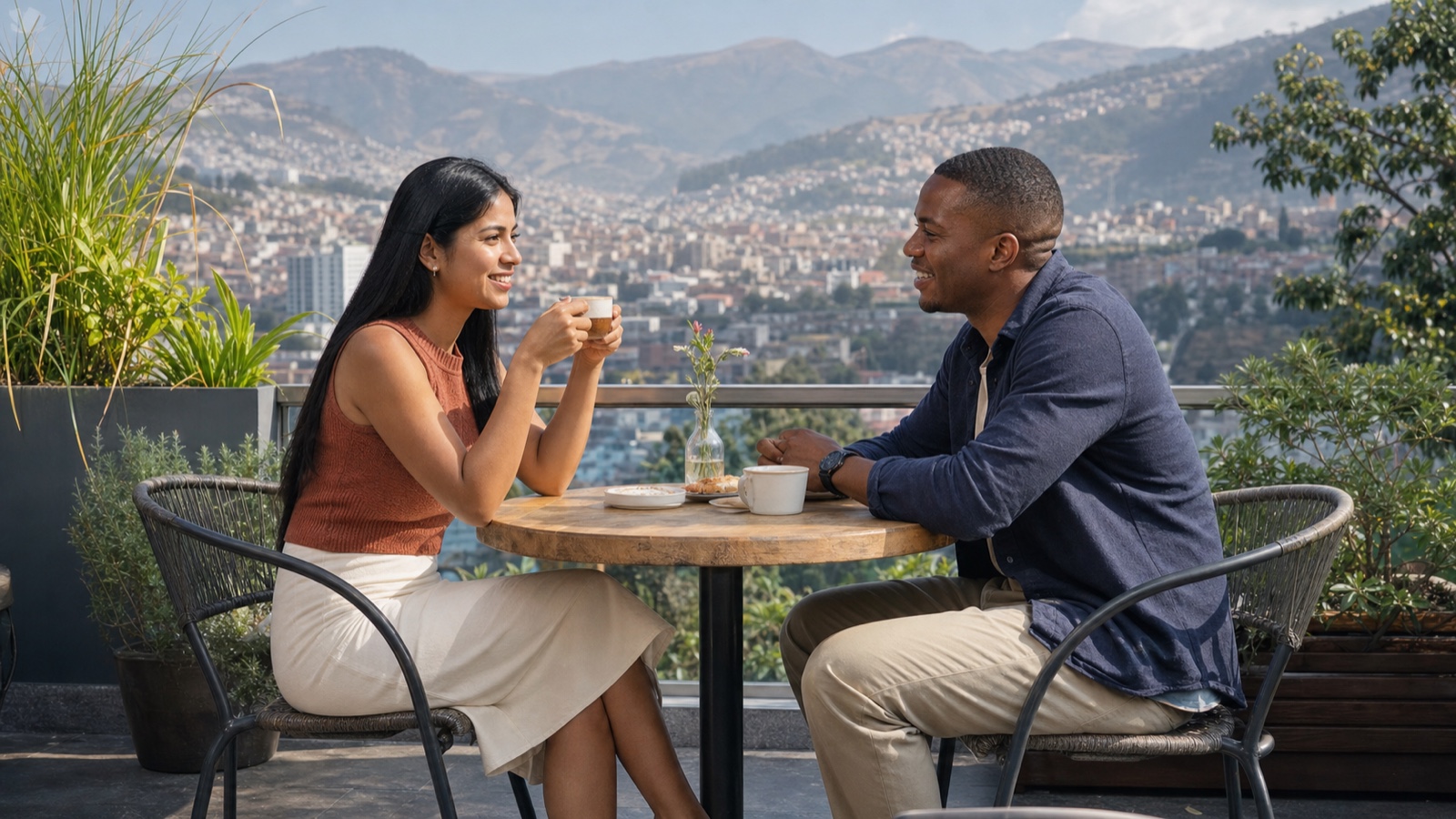
Set your Ecuador city before you start matching
Ecuador looks compact beside its South American neighbors. The Andes, coast, and road network make the useful dating radius much smaller than the country outline suggests. Quito sits high in the mountains. Guayaquil follows the heat and pace of the coast. Cuenca has its own workweek and a walkable historic center. A location pin cannot tell you which routine produced it.
Start with the city where you will sleep on a normal weekday. Add your neighborhood or broad area, stay length, Spanish level, and departure date to your profile. Give one sentence to your week: conference until Thursday, remote work near La Carolina, family visit in Cuenca, or a fixed Guayaquil stop. Your match can then decide whether the timing fits without interviewing you for basic facts.
The first LatinFlare search can happen before the flight. Globalist moves your active location to Ecuador, Explore shows active profiles, and Near sorts people by distance after you land. Keep the search inside the city you can reach. A country pool helps you find a person; the conversation has to prove that both calendars share a place.
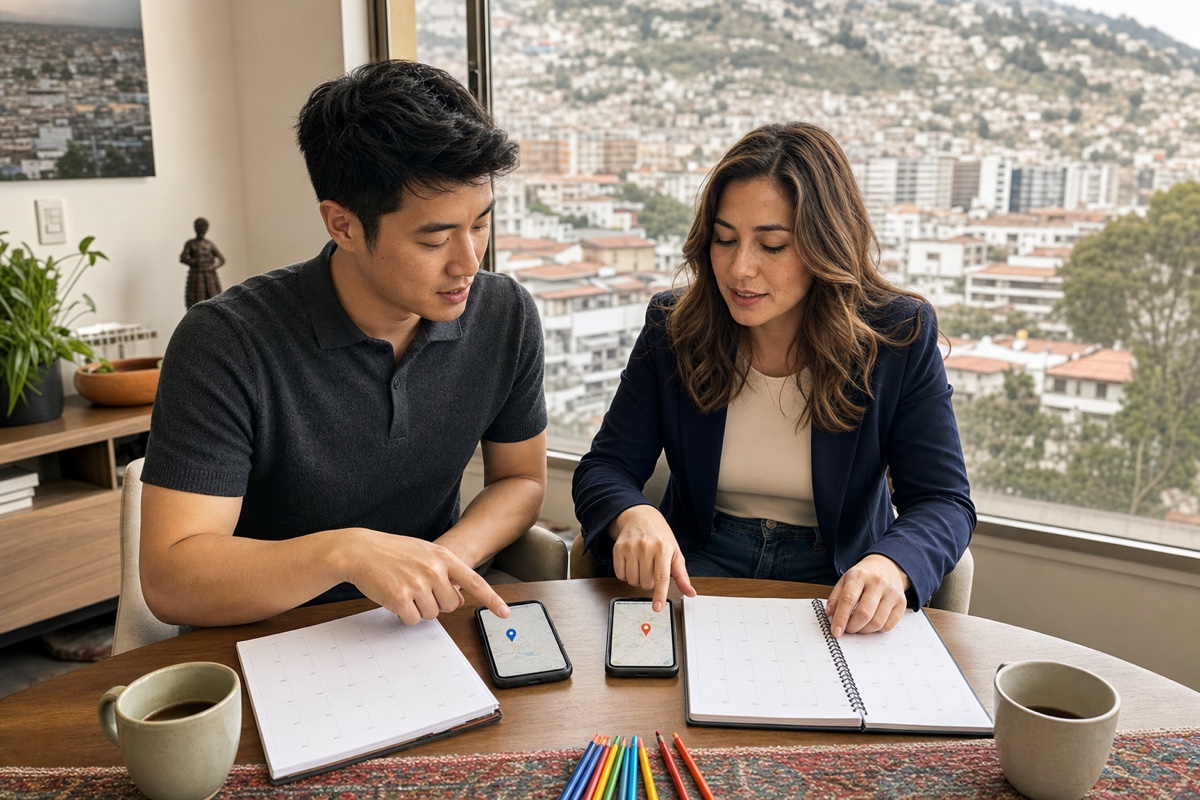
Give the profile one ordinary week
Travel photos show taste. An ordinary-week detail shows availability. Write that you can meet after work near La Floresta, that you have two free afternoons in Cuenca, or that your Guayaquil plans depend on the security advice for your area. Avoid a bio built around “adventure” and “seeing where it goes.” Those lines leave a local match to guess whether you want one night, a travel companion, or a relationship.
Ask the same grounded questions. Which city does your match live in? Does the pin come from home, work, university, or a weekend visit? Which evenings tend to stay free? A direct answer carries more weight than a fast stream of affectionate messages.
Keep verification reciprocal. A short video call can confirm that both profiles belong to real people. Share the broad area where you are staying and the public venue you suggest. Neither person owes a home address, workplace, identity document, or live location to a new match.
Treat a second city as a separate dating decision
A Quito match may visit Guayaquil for work. Someone based in Cuenca may spend a weekend in the capital. That movement does not create a standing promise to cross Ecuador for a first date. Ask where the person will be on the proposed day, then name one plan in that city.
This keeps online reach from turning into pressure. If your route continues north, finish the Ecuador plan before opening a second pool and use our guide to dating in Colombia for that country. Each match deserves an honest location and departure date.
Make the invitation answer three city questions
“Let’s get a drink sometime” asks the other person to do the planning. A useful invitation answers three questions: which public address, which hour, and how each person gets home. Send the venue pin. Arrive under your own power. Keep a charged phone and a return option that does not depend on the date.
Bring enough Spanish to handle the plan, a menu, consent, and a change of mind. A translation app can supply a missing noun. Your date should not have to translate every boundary or decide whether your vague phrase meant casual dating or commitment.
Interest shows up in a counteroffer. Someone who cannot meet on Thursday may suggest Saturday afternoon, a closer district, or a shorter plan after work. Return that effort. Repeated warmth with no usable day can remain a pleasant chat without becoming evidence of a relationship.
In Quito, choose the address before the view
Quito rewards a small first plan. Pick a staffed café or cultural venue in an area both people know, such as La Floresta or the edge of La Carolina. The city’s official visitor map lists museums, parks, and modern districts across a long north-south footprint. “Somewhere in Quito” leaves too much work for one invitation.
Meet for one coffee or one exhibition. Quito’s altitude can tire a new arrival, and afternoon rain can change a walking plan. Tell your date if you landed that morning. A first meeting should not become an altitude test or a long drive to a viewpoint. Add a public walk if both people want more time.
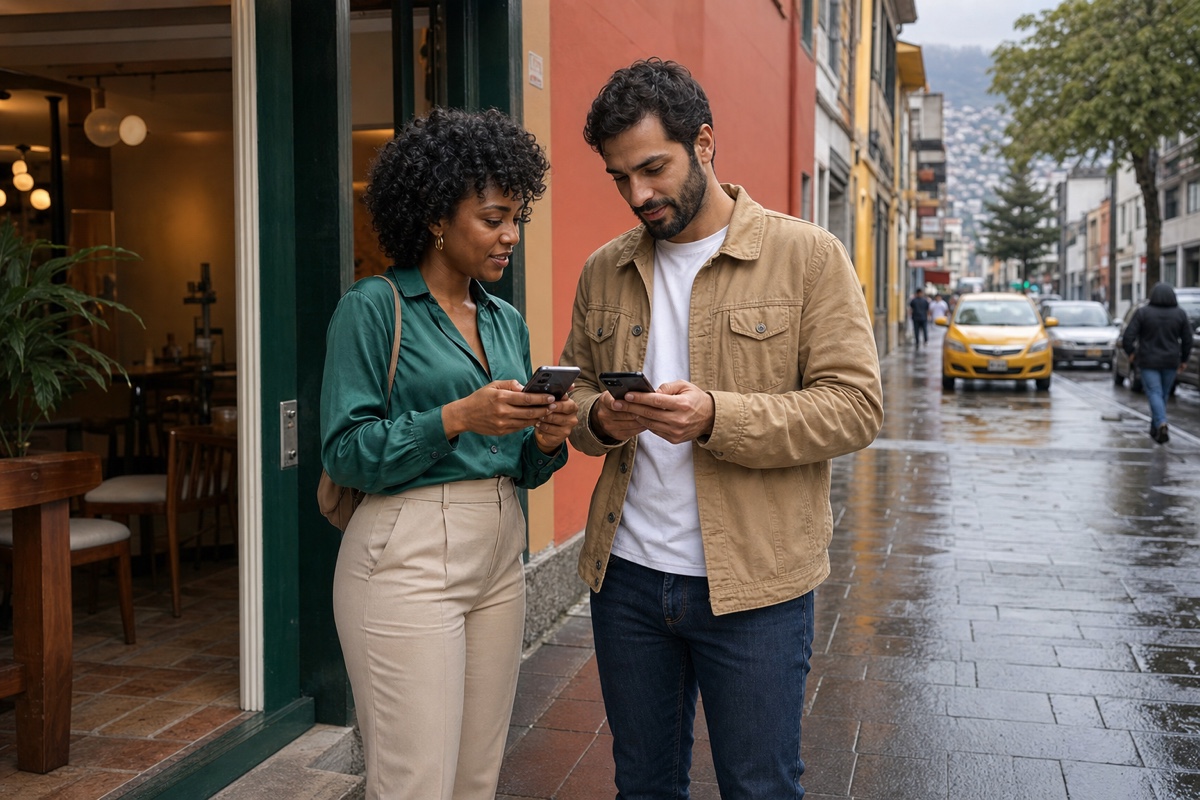
In Guayaquil, current advice sets the boundary
The US Department of State updated its Ecuador advisory on February 18, 2026. It says not to travel south of Portete de Tarqui Avenue in Guayaquil and to reconsider travel north of that avenue because of terrorism and crime. Read the advice issued for your passport and choose another city if that guidance puts your trip outside your risk limit.
If you travel to an area your government permits, use a staffed, busy venue and confirm the route with a trusted local source. The Malecón 2000 has concrete public options: the city advertised Wednesday amusement rides for $1, cinema tickets for $3, and river trips from $4 in February 2026. Those prices and hours can change, so check the operator before the date. The advisory still applies around a recognizable attraction. A popular address does not make the whole route safe.
Offer the same care you expect from your match. Meet in public, avoid displaying valuables, tell a friend where you are, and keep separate rides. Do not turn a safety check into an interrogation of an Ecuadorian date.
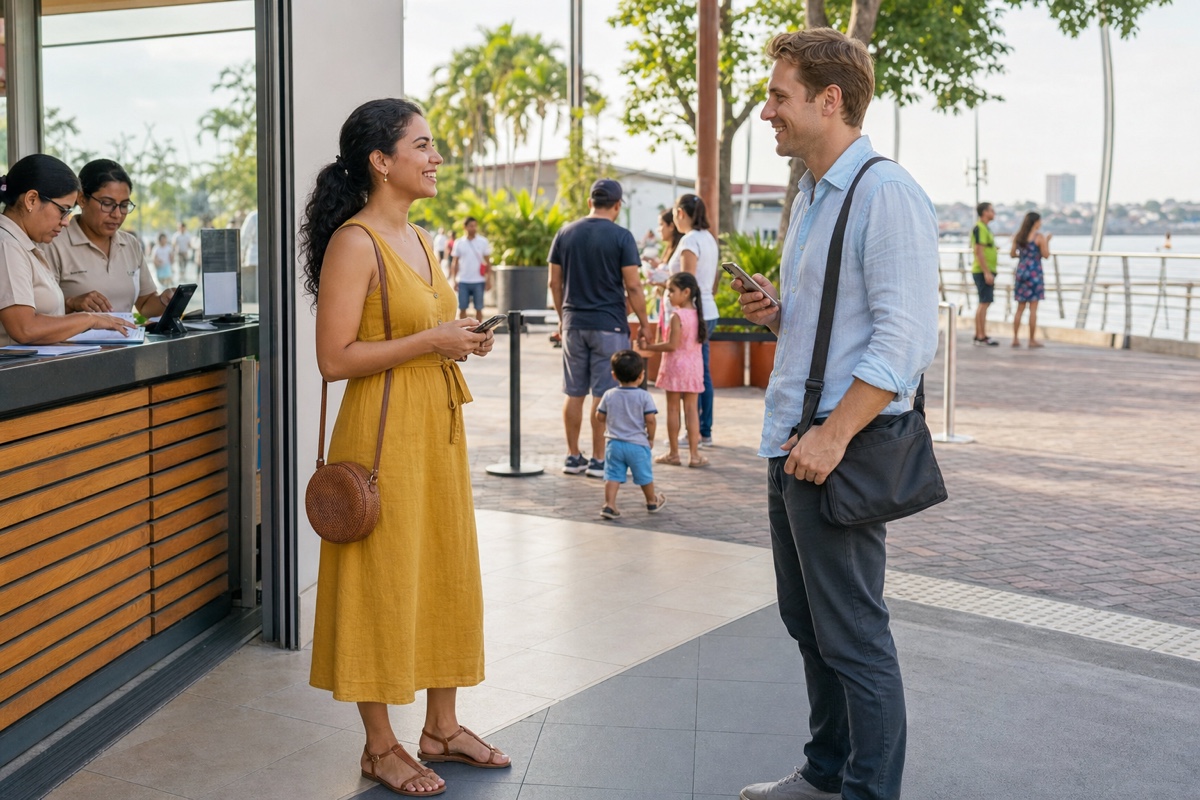
In Cuenca, let one museum test follow-through
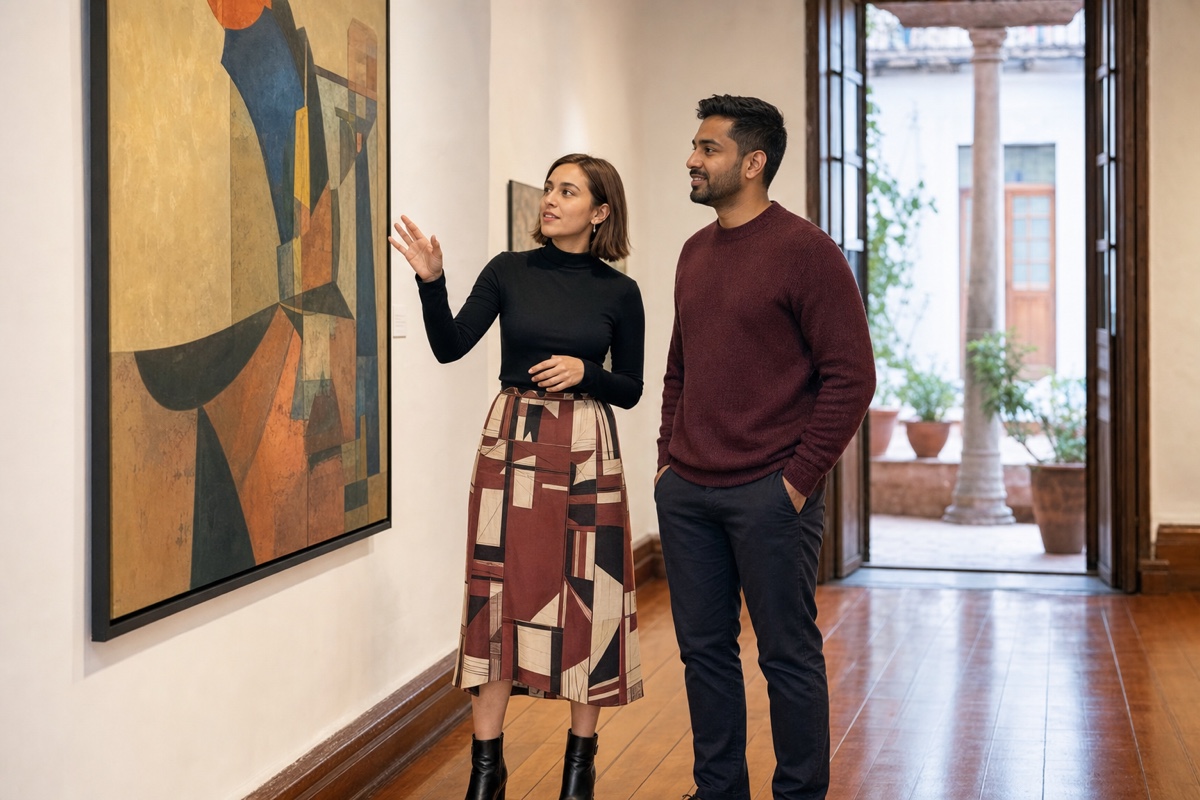
Cuenca makes a short cultural date easy to define. The municipal Museo de Arte Moderno occupies an old house in San Sebastián and lists hours of 10 a.m. to 4:30 p.m. on weekdays, with shorter weekend and holiday hours. Confirm the schedule on the day you go.
Meet at the Sucre and Coronel Tálbot entrance. Choose one gallery, then decide whether to walk toward the historic center or end the date. The museum gives the first hour a shared subject without committing either person to dinner. It also tests the useful parts of a match: a confirmed time, an arrival message, and a clear answer about a second stop.
Ecuador’s migration history belongs in the relationship talk
Ecuadorian families can span cities and countries. The 2022 census and migration records give that movement a measurable history, while the World Bank records the financial crisis and dollarization at the end of 2000. Those facts do not describe the motives of one person. They explain why questions about residence, relatives abroad, and future location may carry more weight than a visitor expects.
Ask where your match has built a life and where close family members live. Listen for work, study, children, care for parents, and plans that existed before your profile appeared. Skip the rescue story. An Ecuadorian partner has agency, and a foreign passport does not make your preferred country the automatic destination.
The US dollar removes an exchange-rate calculation from the date, but it does not tell you what each person can spend. Suggest a plan both people can afford and name the budget before a trip. Generosity should not buy control. A request for money, an emergency transfer, or a visa promise deserves independent verification, regardless of nationality.
One trip can hold three different promises
Casual dating exists in Ecuador, along with exclusive relationships and marriage-minded dating. State which lane fits you. A casual connection needs clear consent, discretion, safer sex, and respect after the date. Privacy can protect both people in close family or social circles; it cannot excuse hiding another partner.
Exclusive dating needs a direct conversation. The Spanish word novios can signal an official couple; ask what exclusivity means to the person using it rather than treating the label as a universal contract. Discuss contact after the trip, visits, and the point when either person would stop using dating apps.
Marriage-minded dating needs evidence from ordinary life. Spend time together through workdays, family commitments, illness, bills, and disagreements before discussing relocation. If faith, children, care for parents, or a move abroad would shape the marriage, put those subjects into plain words. Meeting a sibling can mean convenience, warmth, or a serious introduction. Ask what it means in that family.
Leave with one action that survives the flight
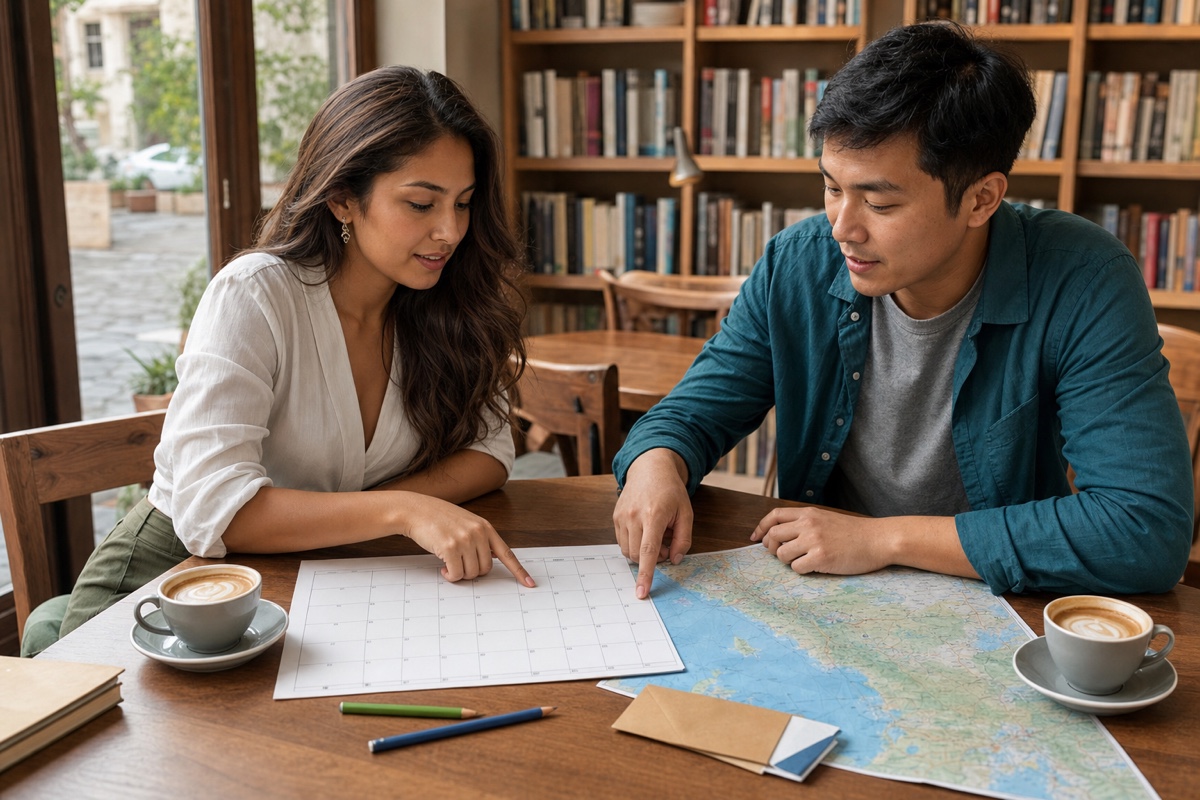
A promising trip still needs a next date. Put one action on the calendar before you leave: a call after work, a return visit with dates, or a conversation about ending the connection. Avoid building a cross-border future from messages alone.
Distance may reveal that a casual connection should stay a good memory. It may show that an exclusive relationship can support regular visits. A marriage-minded couple will need months of choices about money, family, and residence. Give the connection the size that both calendars can support.
Sources
- US Department of State: Ecuador Travel Advisory
- Quito Tourism: Official Tourist Map
- Municipality of Guayaquil: Culture and recreation at Malecón 2000
- Municipality of Cuenca: Museo Municipal de Arte Moderno
- Ecuador INEC: 2022 population mobility study
- World Bank: Dollarization and semi-dollarization in Ecuador