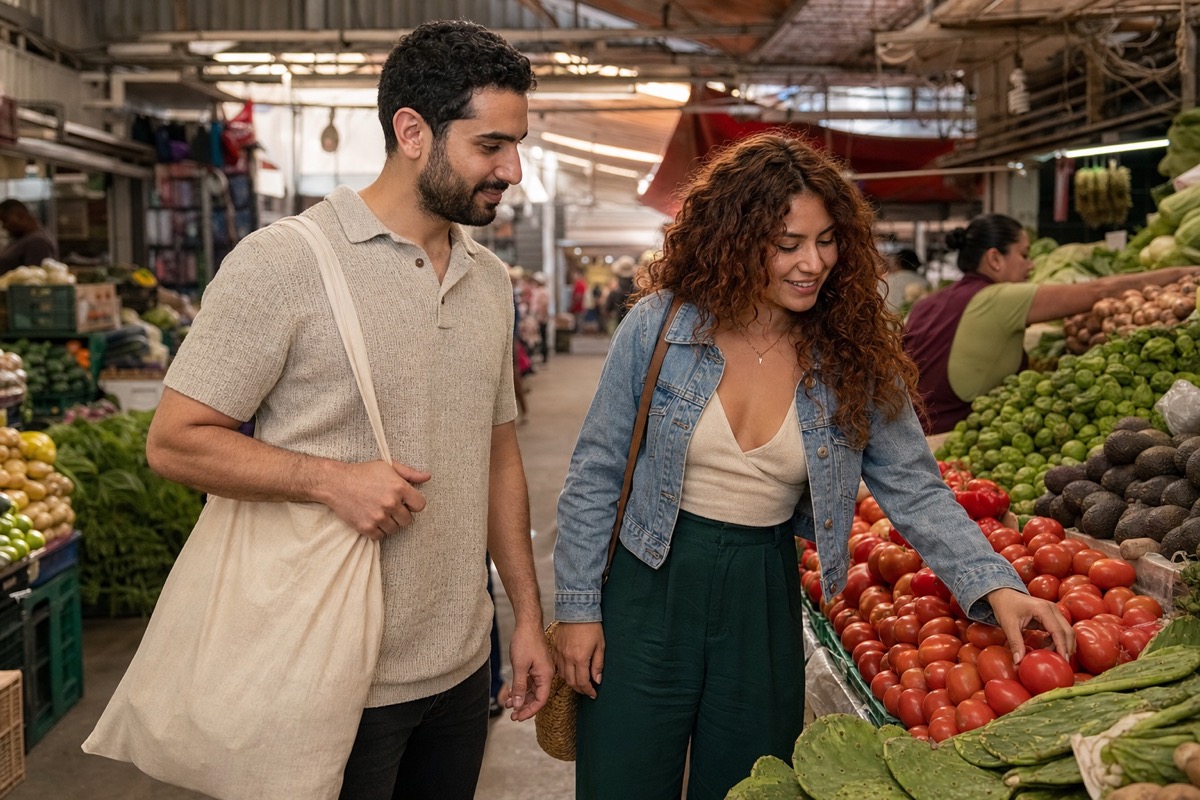
Mexican dating culture has a flair for visible effort. Flowers arrive at the table. A man may insist on planning and paying. A serious declaration can involve a song that the neighbors hear. None of those gestures tells you, by itself, if the relationship is casual, exclusive, or headed toward marriage.
That gap between the performance and the promise causes the confusion. A foreigner may read courtesy as a rigid gender contract, or treat a warm public gesture as proof of commitment. Mexicans do not follow one script. The better question is what the gesture means to the person making it, and what both of you have said about the relationship.
Our broader guide to dating in Mexico covers communication, family, and regional differences. This article stays with the romantic customs that look loud from the outside and the quieter evidence that matters after the date.
Why Mexican dating culture still likes an audience
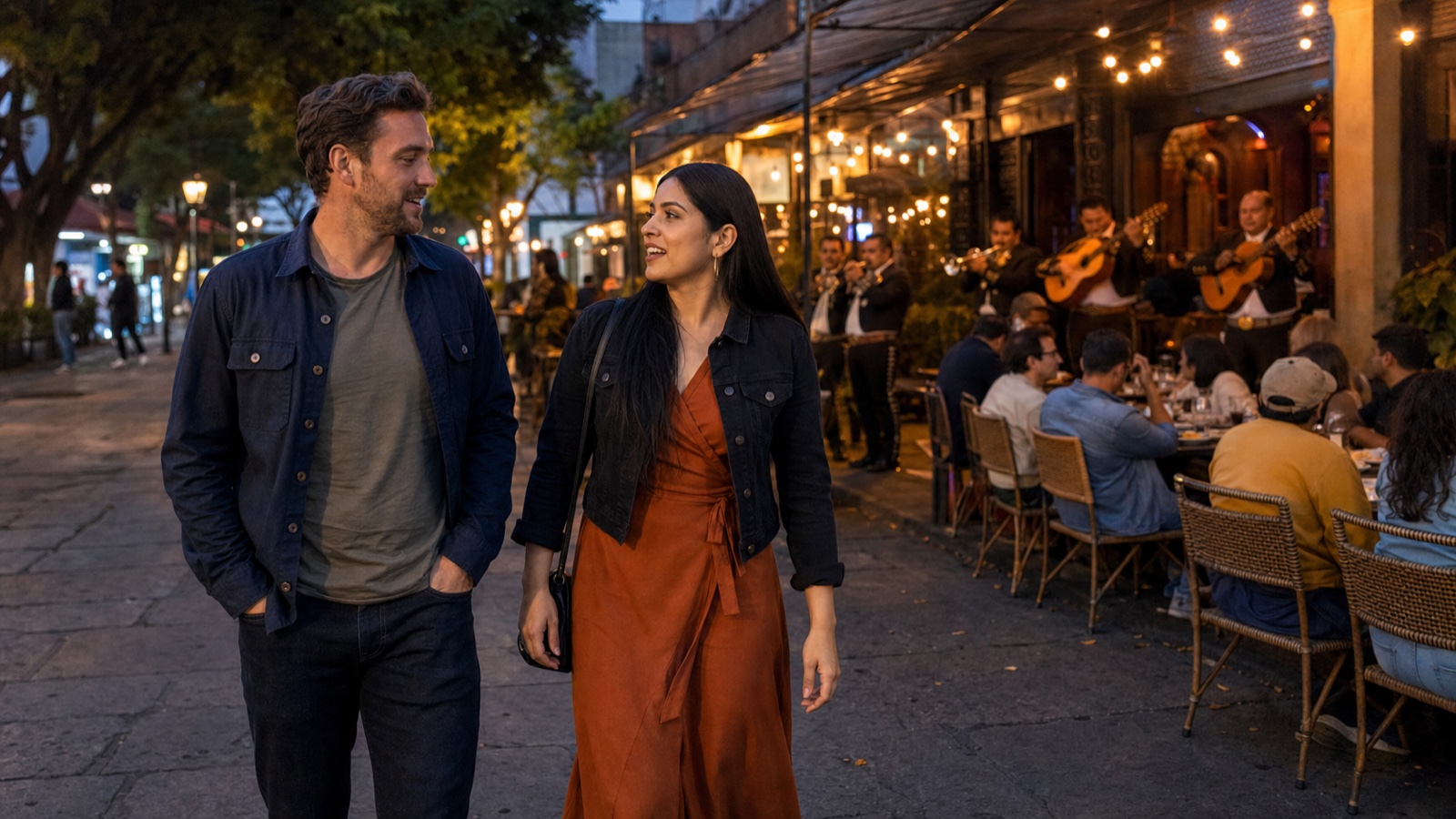
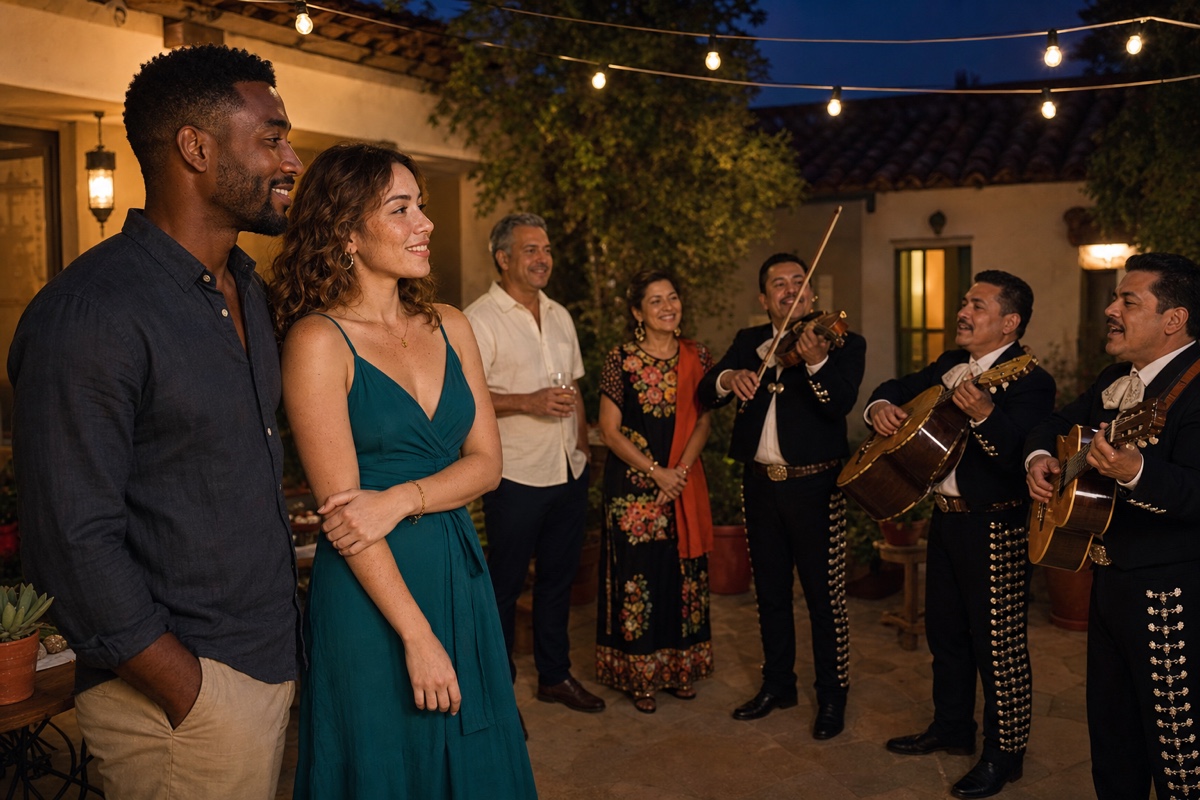
Mexico built much of its popular romantic language in public. Mariachi songs, romantic ballads, Golden Age films, and TV dramas turned courtship into something friends, relatives, and neighbors could witness. A romantic serenade captures that instinct: musicians stand outside a home or in a courtyard while one person dedicates songs to a partner.
You will still see serenades, though few urban Mexicans hire a full mariachi for an ordinary first date. People save them for birthdays, anniversaries, apologies, proposals, and declarations that mark a change in the relationship. In smaller towns and some families, the custom carries more everyday life. In Mexico City, it may arrive with a wink because everyone understands the old-film reference.
Save public romantic gestures for an established relationship
A serenade works because the recipient knows who is outside and welcomes the attention. Sending musicians to a near-stranger can trap someone inside a public yes-or-no scene. Ask about grand gestures before arranging one. A person can love mariachi and still hate becoming the center of the restaurant.
Modern romance keeps the visible effort and changes the scale. A small bunch of flowers, a favorite sweet from the bakery, or a song sent after a date can land better than a spectacle. The object matters less than remembering a detail and acting on it.
This public style does not rule out casual dating. Someone can plan a beautiful evening without offering exclusivity. Read the gesture as care for that evening until you have talked about what follows it.
Courtesy, planning, and the first bill
Traditional courtesy can mean opening a door, choosing the restaurant, checking that your date got home, and paying the first bill. Many Mexicans appreciate those gestures. Others see parts of the old routine as dated, especially when courtesy turns into an expectation that the man controls the plan and the woman accepts it.
Treat the first date as a conversation about style. Offer a clear plan instead of “whatever you want.” Show up looking as though the evening mattered. If your date proposes a different place or reaches for the bill, do not fight to protect a performance of masculinity.
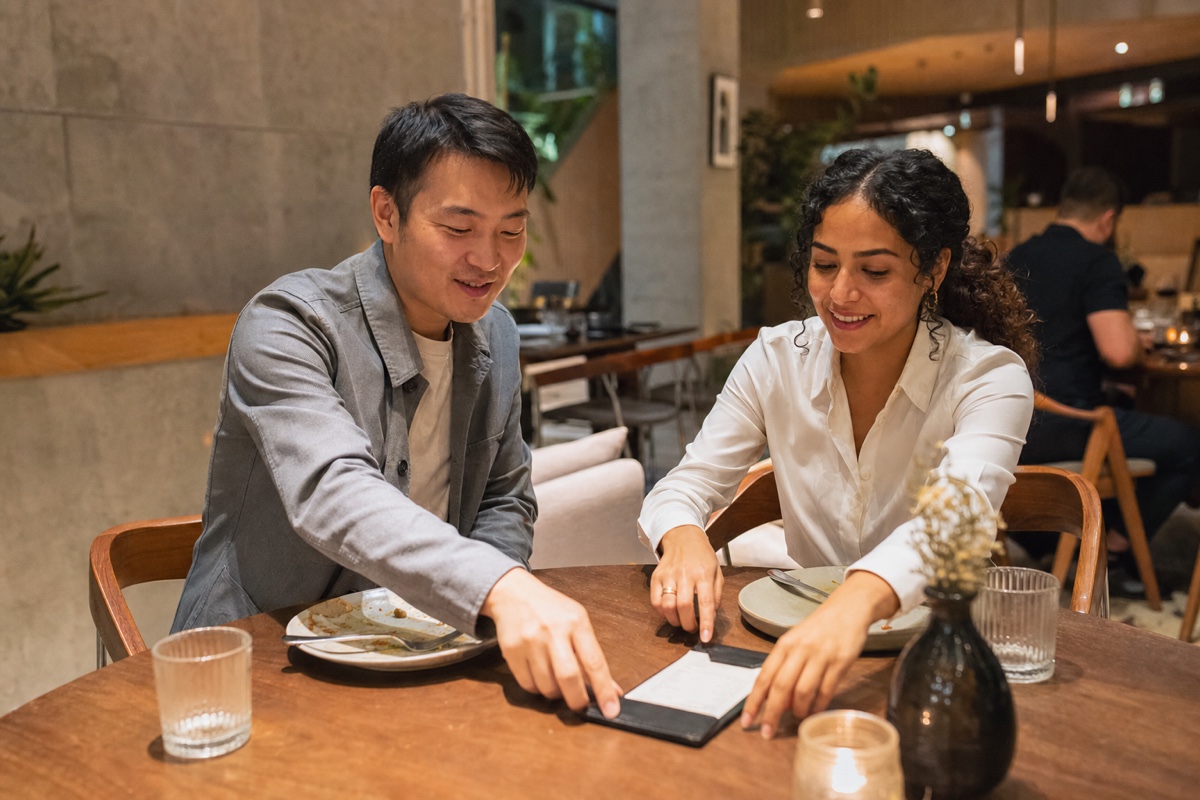
Offer first; do not turn the bill into a verdict
A man often offers to pay on an early heterosexual date. Younger professional couples in Mexico City, Guadalajara, and Monterrey may split, alternate, or let the person who invited cover it. Say clearly when you mean “my treat,” and accept it when your date wants to go halves.
Paying for dinner does not create a debt. It also does not mean a foreign visitor should fund rent, a family emergency, or an expensive phone for somebody they just met. Mexican courtesy covers the date in front of you. Financial support belongs to a relationship that both people have defined, if they want that arrangement at all.
The long part of a Mexican dinner often comes after the plates leave. Leave room for the conversation that keeps everyone at the table. Booking a second activity forty minutes after dinner can cut off the part where you learn whether the connection has any ease.
Casual, exclusive, and official relationships
Affection does not settle the relationship label. Each stage leaves different questions open.
Casual and unofficial dating need a direct question
Going out with someone can mean that two people are involved before they have made the relationship official. Friends-with-benefits arrangements and other casual relationships carry no committed boyfriend or girlfriend label.
Casual dating exists across Mexico, especially among younger adults in large cities. The old double standard also survives in some circles: people may excuse a man’s casual dating and judge a woman for the same choice. Keep a partner’s private life private. Do not use “Mexican culture” to dodge a conversation about exclusivity, sexual health, or other partners.
Ask the plain question: are we seeing other people? A week of affectionate messages and two nights together may mean an emerging relationship to one person and a good time to the other.
Making it official brings family and future into view
Novio and novia mean boyfriend and girlfriend. Many couples mark that step through a spoken question rather than letting the label appear by accident. Once both people agree, exclusivity becomes the common expectation unless they set different terms.
Family usually gains a larger role after that. An invitation to the main Sunday meal lets parents and relatives meet the person who now occupies real space in the week. It does not equal an engagement. It does mean your partner has stopped keeping the relationship in a private bubble.
Marriage remains one possible destination, not the automatic ending. Mexico’s national statistics agency reports that registered marriages have fallen over the past two decades. Some couples live together; others want a church or civil wedding and children. Ask where your partner sees the relationship going before a short visit turns into promises about moving countries. If your question is specifically about gender expectations and family when dating a Mexican woman, that guide goes deeper.
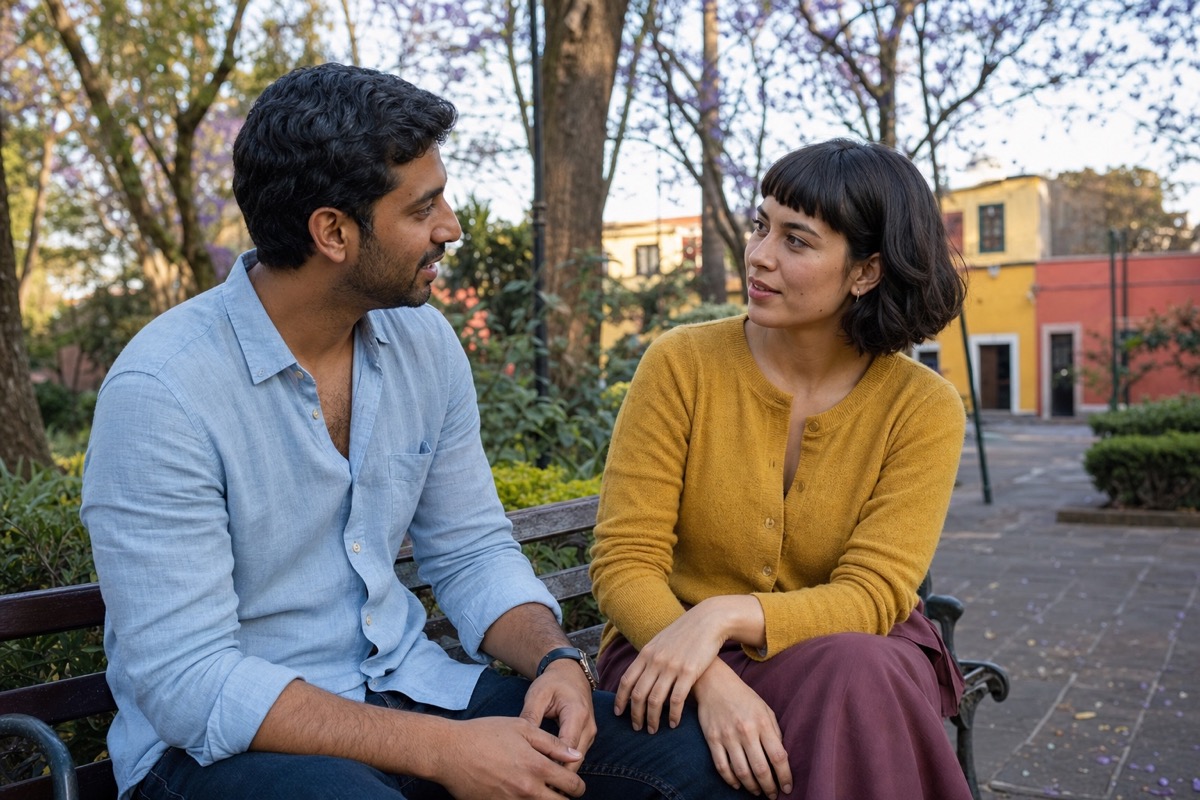
A foreigner proves more on an ordinary Tuesday
Being foreign can create early curiosity. It can also make a Mexican match wonder if you want a holiday story, a language exchange, or a relationship that ends at the airport. A polished dinner will not answer that. Your schedule and behavior will.
Put the real dates of your trip in your profile. Learn enough Spanish to take part in a group conversation without making your partner translate the whole evening. Keep the plan you made. Suggest a normal second date, such as a market run, a museum afternoon, or food after work, rather than escalating every meeting into a production.
If you want to start conversations before arrival, LatinFlare lets you browse Mexico through Explore, message without waiting for a mutual swipe, and set a city early with Globalist. Use the Mexico dating-app guide to compare that approach with Tinder, Bumble, and Badoo.
Keep the first meeting public. The U.S. Embassy has warned about criminals in Mexico using dating apps to lure victims into kidnapping and extortion, including cases around Puerto Vallarta and Nuevo Nayarit. Meet at a busy café or restaurant, arrive and leave on your own, and share the profile and venue with a friend. Courtesy does not require ignoring a bad change of plan.
The test comes after the romantic scene ends. You remember the aunt’s name, send the message you promised, and make room for a weekday plan that produces no impressive photo. If both of you still want to meet when the mariachi has packed up, you have something worth naming.